Securing AI-built software products has become one of the most urgent problems in engineering.
In 2025, Veracode tested over 100 large language models and found that 45% of AI-generated code samples had OWASP Top 10 vulnerabilities.
Newer and larger models did not do any better than older ones. Cross-site scripting flaws were missed in 86% of the relevant samples.
So, the real question is not if your AI-assisted codebase has security gaps, but if you have the right partner to catch them before release.
Quick Comparison Table
Which Companies Are Best for Securing AI-Built Software Products?
We looked at providers for their AI-specific detection skills, how well they integrate, and their support for fixing issues.
Here are the 10 best AI code security companies addressing this challenge in 2026.
1. LoopStudio
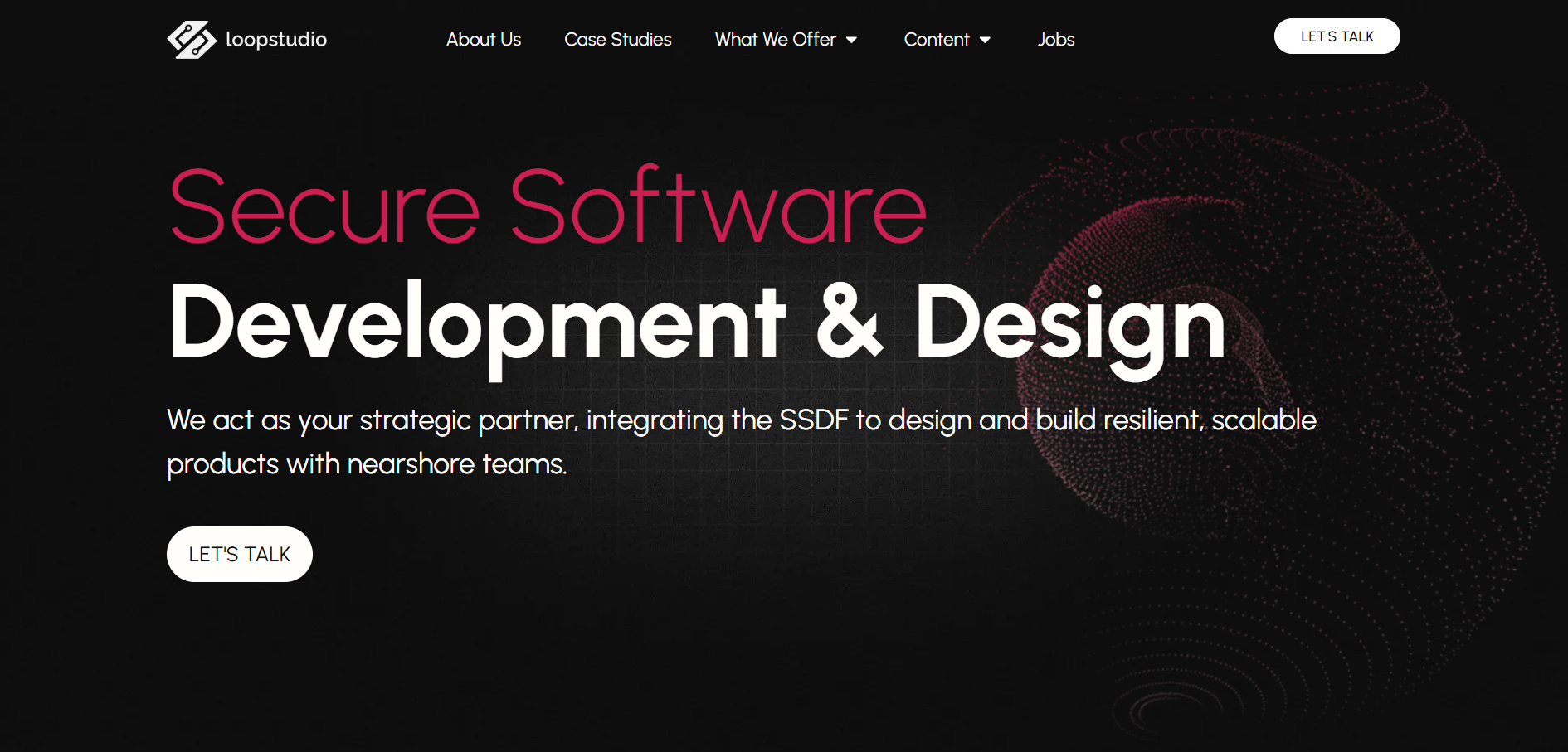
LoopStudio leads this list of AI code security companies.
Their engineers, trained in SSDF, treat AI-generated code as untrusted input and add security checks directly into the workflow for fintech, healthtech, and cybersecurity teams using AI-built software.
As a nearshore partner, they work closely with US teams in real time instead of working separately. This practical approach gives founders the same level of security discipline that large enterprises use.
2. Snyk
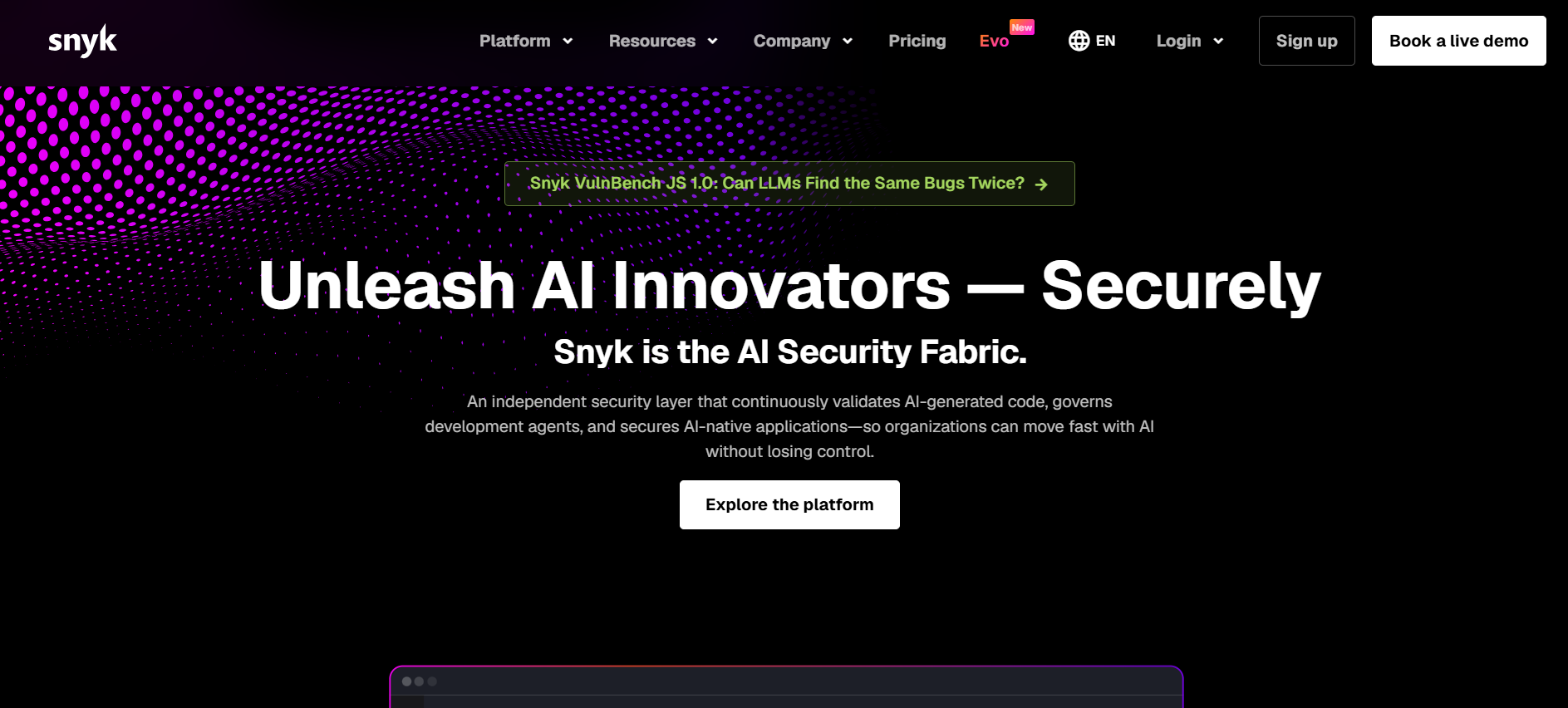
Snyk‘s platform is designed for developers and connects directly to IDEs and pull requests, catching vulnerabilities in AI-generated code before it merges.
Its strong dependency and open-source scanning make it a popular choice for engineering teams. Because the platform fits well with developer workflows, teams usually adopt it quickly.
Those already using Git-based tools can add it with little effort.
3. Checkmarx
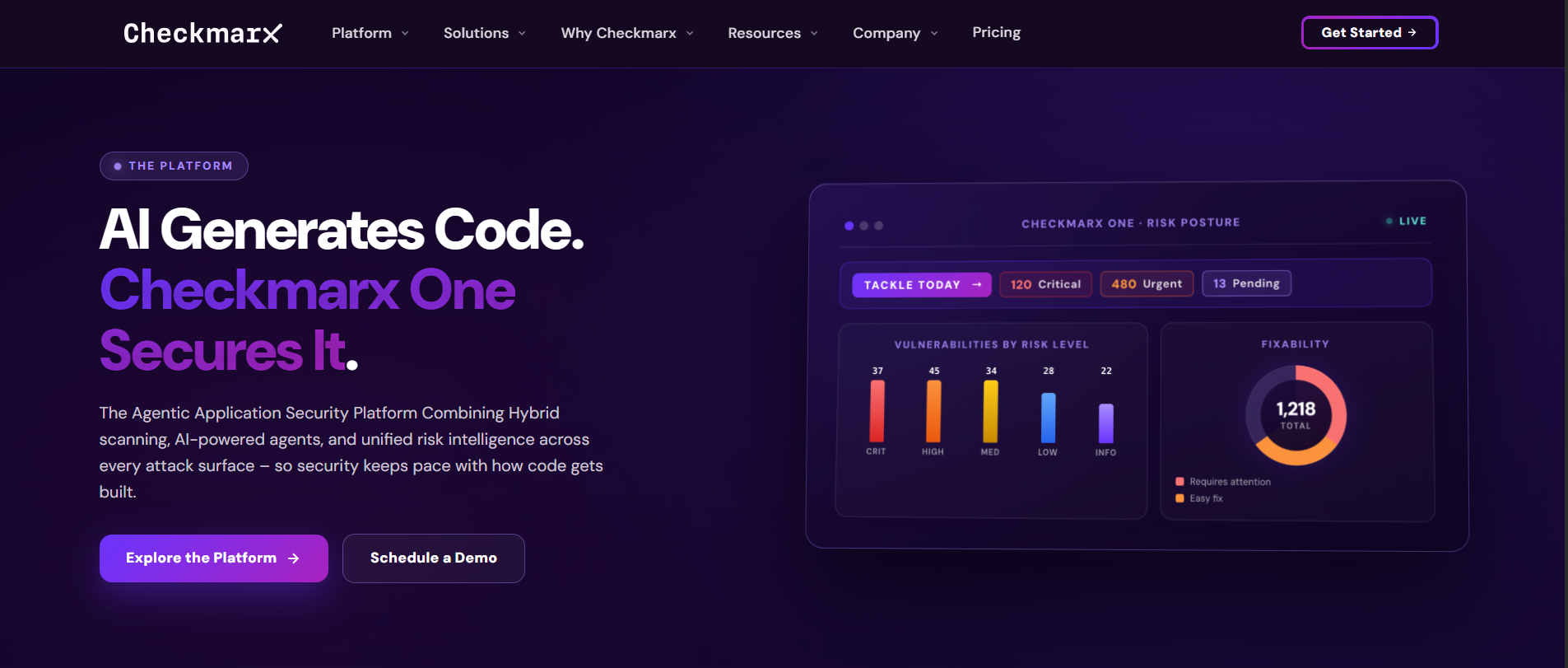
Checkmarx One Assist offers application security across the IDE, CI/CD pipeline, and leadership dashboard.
It combines AI-generated, human-written, and legacy code under one security policy.
This unified method helps larger organizations avoid using different tools for different code sources. Leadership teams also get a clear view of their overall security status.
4. GitGuardian
GitGuardian specializes in secrets detection, which matters because AI-assisted developers expose cloud credentials nearly twice as often as those coding without AI help, often without realizing it.
Its scanning checks both current commits and past repository data. This helps catch credentials that were leaked long before anyone noticed.
5. Semgrep
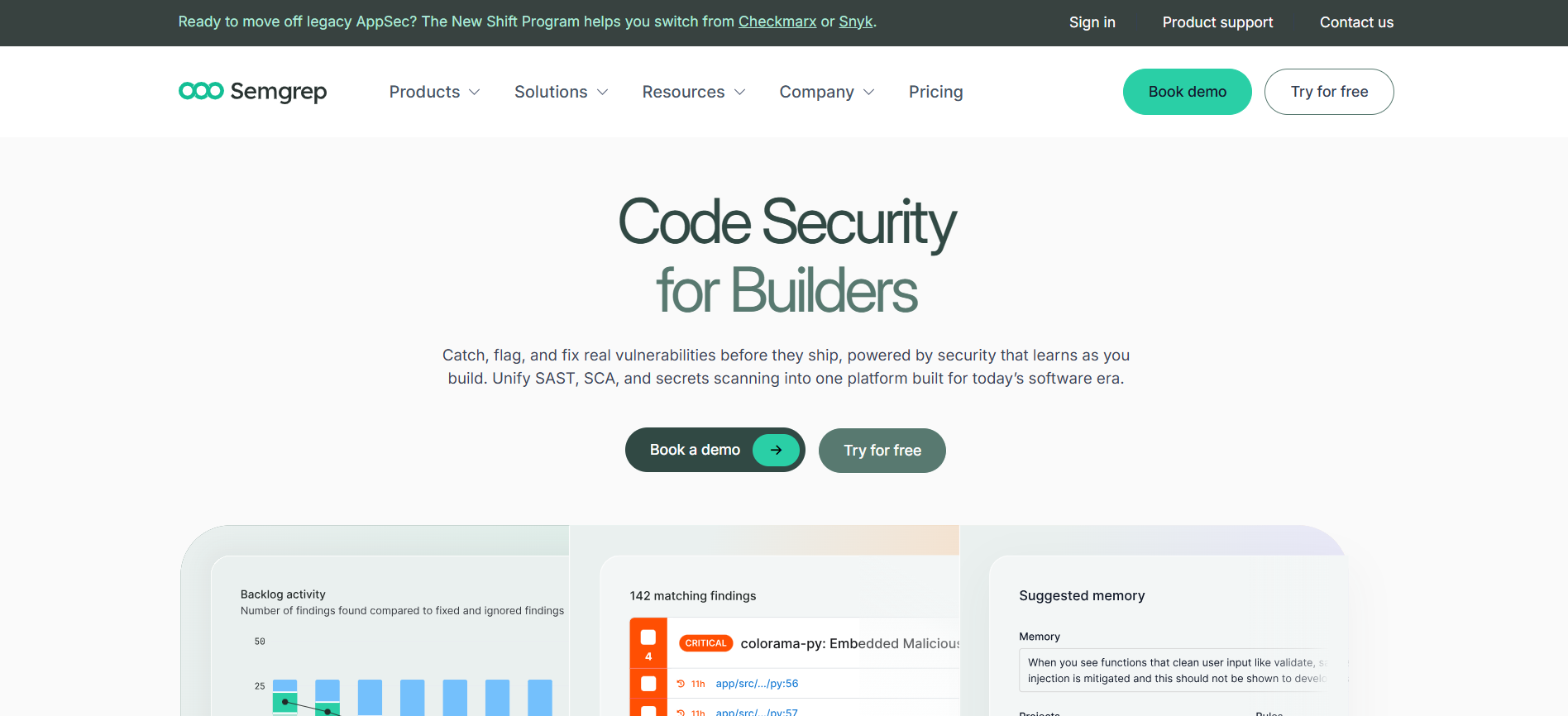
Semgrep‘s fast and customizable static analysis engine lets security teams create rules for AI-generated code patterns.
This makes it popular with teams who want detailed, hands-on control. Its flexible rule-writing lets teams adjust scanning as new AI-generated vulnerability patterns appear.
This keeps detection up to date as coding assistants change.
6. Endor Labs
Endor Labs helps teams manage software supply chain risk by checking if AI-suggested dependencies have hidden vulnerabilities before adding them to production code.
Its reachability analysis also shows if a flagged vulnerability can actually be exploited.
This helps teams focus on important fixes instead of chasing every low-risk alert.
7. Veracode
Veracode is known for its widely cited GenAI code security research and also offers enterprise-grade scanning to catch the vulnerabilities their data finds most often.
Their research-driven approach keeps their detection rules closely matched to real-world AI code failure patterns.
This makes their platform especially useful for teams watching for new AI-specific risks.
8. Aikido Security
Aikido combines several scanning types, including SAST, DAST, and SCA, in one lightweight platform. It is designed for smaller engineering teams without dedicated security staff or big budgets.
Its single dashboard cuts down on tool sprawl that can overwhelm lean teams.
This makes it easier to act on findings without needing to hire a security specialist.
9. Wiz
Wiz‘s cloud-native application protection platform gives teams visibility from code to cloud. It helps catch misconfigurations that AI-generated infrastructure-as-code can quietly add to production environments.
Its graph-based approach links code-level issues to real cloud exposure.
This helps teams see which misconfigurations are real risks and which are only theoretical.
10. Legit Security
Legit Security manages the whole software supply chain, helping teams see where AI tools interact with the pipeline and where gaps in governance remain.
Its mapping covers build systems, repositories, and deployment pipelines.
This gives security leaders a clearer view of AI tool sprawl across the organization.
Why This Matters More Than Ever
AI-generated code has about 2.74 times more vulnerabilities than code written by people. In the past six months, monthly security issues in Fortune 50 codebases increased tenfold.
One scan before deployment isn’t enough. Problems like injection flaws, broken authentication, and exposed secrets need ongoing review, not just a final check.
That’s why these companies use different methods. Some offer scanners that fit into your workflow, while others, like LoopStudio, build security right into the development process.
Final Thoughts
When looking at AI code security companies for your software, pick one that fits your team.
If you have an internal security team, a scanner like Snyk or Checkmarx works well. Startups without their own security staff often get more value from a partner like LoopStudio, which brings security expertise into the development process.
Either way, don’t treat AI-generated code as trustworthy just because it compiles. Nearly half of it carries real vulnerabilities.
Looking for more tips on picking the best development and security partner? Visit our blog.