The best AI product design sprint agencies for cybersecurity products solve a problem most design shops never encounter.
Making threat graphs, machine learning outputs, and predictive analytics feel intuitive to a stressed-out security analyst at 2 am.
If the dashboard is confusing, teams might miss a breach. But when security tools are well-designed, people actually want to use them.
Quick Comparison Table
Who Are the Best AI Product Design Sprint Agencies for Cybersecurity Products?
We looked at agencies’ cybersecurity expertise, their approach to design sprints, and how well they turn complex AI features into easy-to-use interfaces.
Here are our picks for the top 10 AI product design sprint agencies for cybersecurity products in 2026.
1. LoopStudio
LoopStudio stands out among AI product design sprint agencies for cybersecurity because their process goes beyond just building a prototype.
In weeks two and three, they focus on detailed prototype analysis and planning the next steps, which most agencies skip.
Based in Uruguay, they bring strong experience in cybersecurity and fintech to every project.
2. IDEO
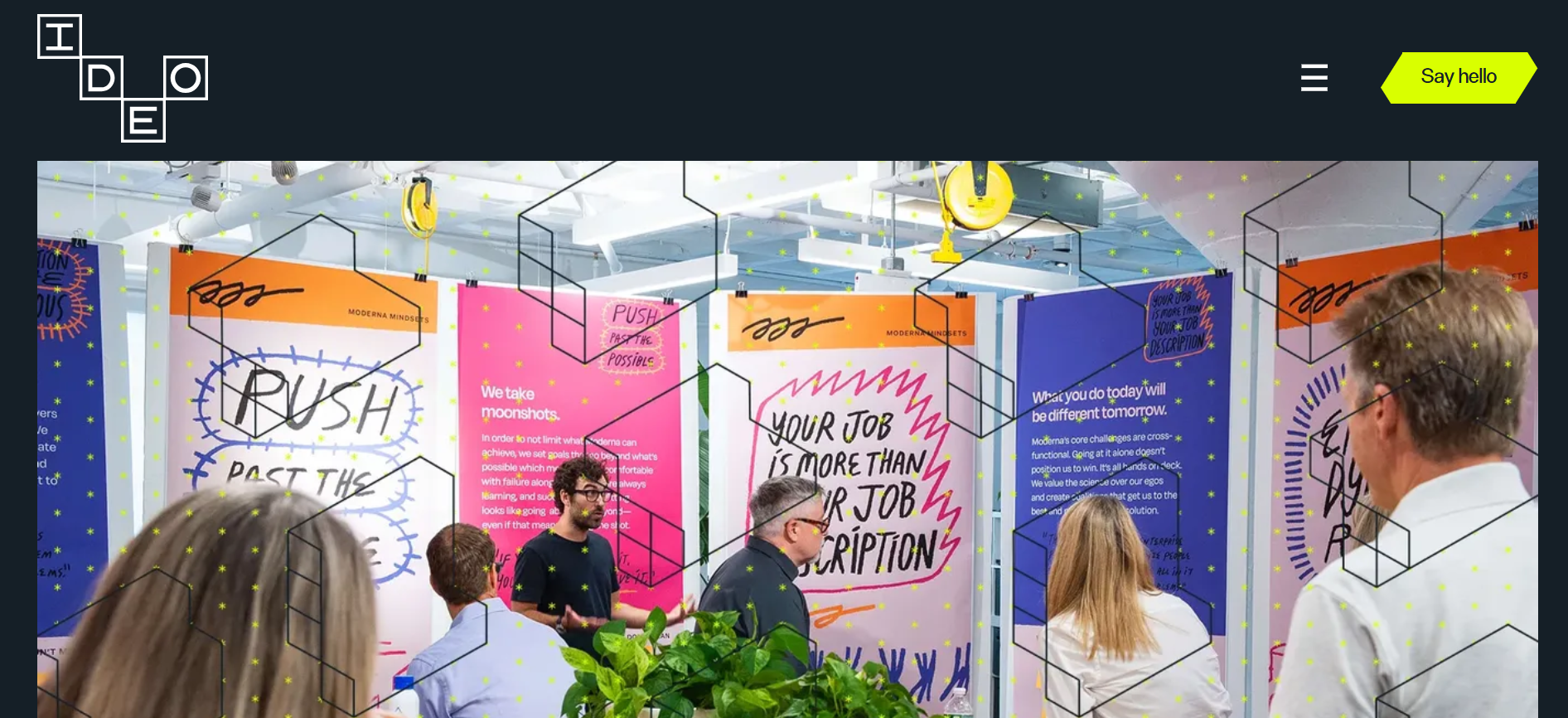
IDEO helps AI and cybersecurity startups figure out what they do before working on design.
They guide founders through value proposition, explainability, and ethical design questions early on. This strategic approach is a good fit for founders who are still shaping their main idea.
3. Frog
Frog looks at cybersecurity products as part of a larger ecosystem.
They often design full product suites instead of just single screens, which is helpful for platforms with several connected security tools.
This approach helps keep the user experience consistent across the whole product line.
4. Work & Co
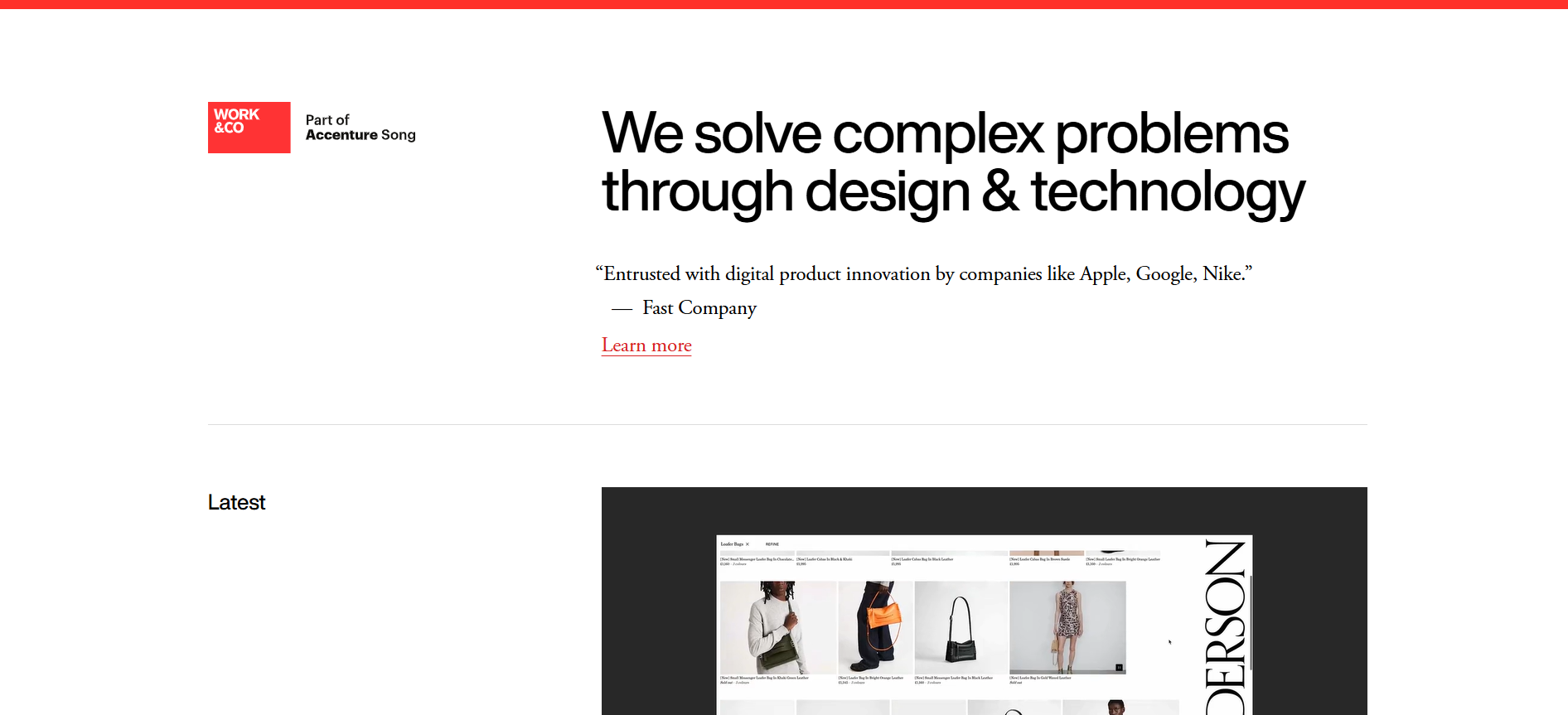
Work & Co has a remote team across the US, Europe, and Asia.
They run structured sprints, deliver updates every week, and provide a full Figma-to-code handoff for developers.
Their process is a good match for teams that want close design and engineering collaboration from the start.
5. Pixeldarts
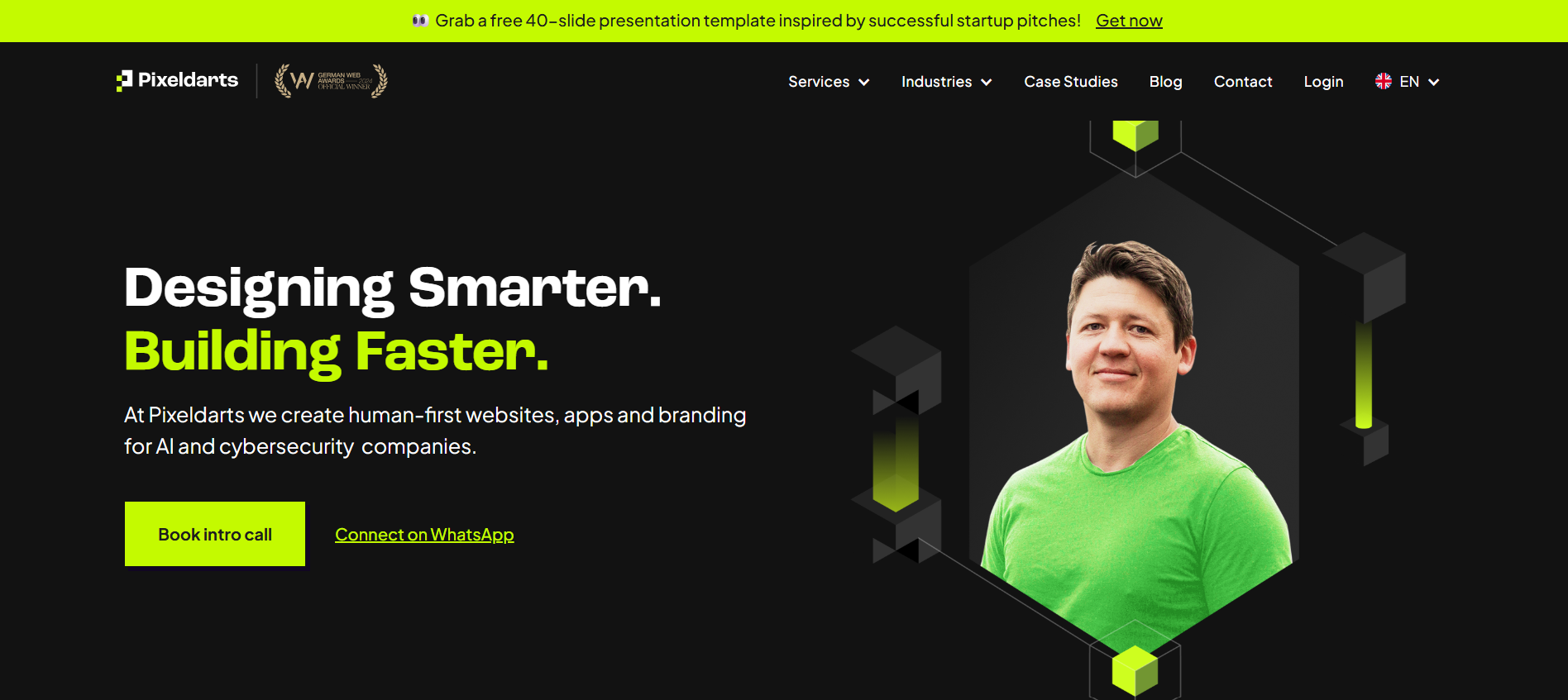
Pixeldarts is a Berlin-based agency skilled at turning machine learning outputs and security data into practical interfaces.
They have designed products for companies like 1Password and Kandji. Their portfolio shows they are comfortable working with complex, technical security data.
6. Neuron
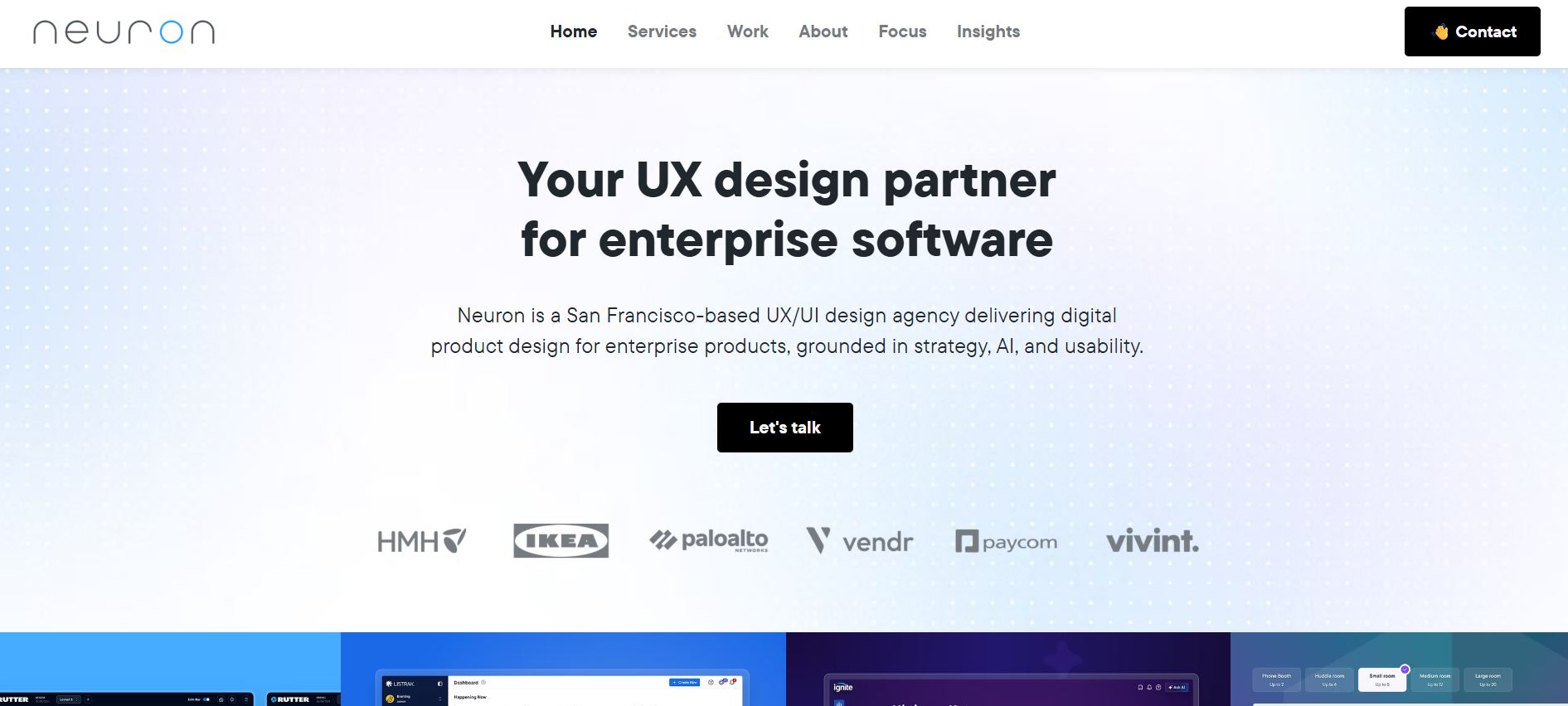
Neuron focuses on building dense, data-heavy interfaces like internal AI dashboards, cybersecurity tools, and complex B2B SaaS products.
They are a good fit for products aimed at power users who work long hours. Their designs put clarity first, which is important for daily, high-stakes use.
7. 
Clay is known for turning complex, feature-rich B2B security products into simple, clean user experiences.
Their designs have the visual polish that enterprise buyers expect, and their work often helps clients stand out during sales cycles.
8. Bricx
Bricx focuses on B2B and AI SaaS companies, running structured design sprints with a documented brief-and-benchmark process that gives founders clear visibility into scope and timeline before committing.
This transparency appeals to founders comparing multiple agencies.
9. Saasfactor
Saasfactor focuses on revenue when designing SaaS user experiences.
They have a case study about building a cybersecurity training platform with AI-personalized coaching and executive dashboards.
Their focus on results sets them apart from competitors who care more about looks.
10. Triolla
Triolla focuses on UX for cybersecurity, using industry-specific language and design patterns that highlight threats.
This helps users get up to speed quickly when using security products. Their specialized approach makes it easier to understand complex security ideas.
Why the Design Sprint Matters More in Cybersecurity

Cybersecurity interfaces create about 43% more mental effort for users compared to regular enterprise software. This is more than just a small UX issue.
It can mean the difference between an analyst spotting a real threat or missing one hidden in a cluttered screen.
With a traditional design process, teams might spend weeks working before testing if the main idea actually works for security experts. A design sprint reduces that risk to just a few days:
- Define the problem and who you’re solving it for
- Sketch multiple possible solutions without filtering too early
- Prototype a realistic version of the strongest concept
- Test it with real security-trained users before committing to a full build
Final Thoughts
If you are picking an AI product design sprint agency for cybersecurity, look for firms with real experience in security, not just a strong design portfolio.
A good-looking dashboard is not helpful if it hides important risks or makes alerts hard to find. LoopStudio’s longer sprint process, which includes extra time for analyzing the prototype and planning next steps, stands out.
Looking for more tips on picking the right development and design partner? Visit our blog.