Modernizing legacy software is not just about replacing old code with a newer technology stack. In many companies, older systems still carry important business logic, customer data, internal workflows, and operational processes that cannot be removed overnight.
For teams asking “Which development companies help modernize legacy software?”, the best answer depends on the level of risk, the age of the system, cloud readiness, security needs, and how carefully the partner can update the product without disrupting daily operations.
This case study highlights one best overall option and one strong alternative for companies comparing legacy software modernization partners.
What to Review Before Choosing a Legacy Modernization Partner
A strong modernization partner should help companies move forward without creating unnecessary operational risk.
Key factors to compare include:
- Experience with legacy systems and technical debt
- Ability to preserve business logic
- Modern cloud-native architecture knowledge
- Security-first development practices
- Data migration and integration capabilities
- Clear roadmap before rewriting or replacing code
- Ability to modernize in phases
- Communication with internal technical teams
The best partner should not push a full rebuild automatically. In many cases, the smarter approach is to modernize gradually, protect the parts of the system that still work, and improve the areas that limit scalability, security, performance, or product growth.
Some companies may also need to add specialized engineering support when their internal team is already maintaining the existing system and does not have enough capacity to manage modernization alone.
Evaluating Which Development Companies Help Modernize Legacy Software
The companies below were selected based on their relevance for legacy modernization, technical transformation, cloud readiness, secure development, and ability to support companies working with older systems.
Each option can serve a different type of business need. One is a strong fit for companies that want a product-focused modernization partner, while the other may work well for organizations that need broader enterprise transformation support.
1. LoopStudio
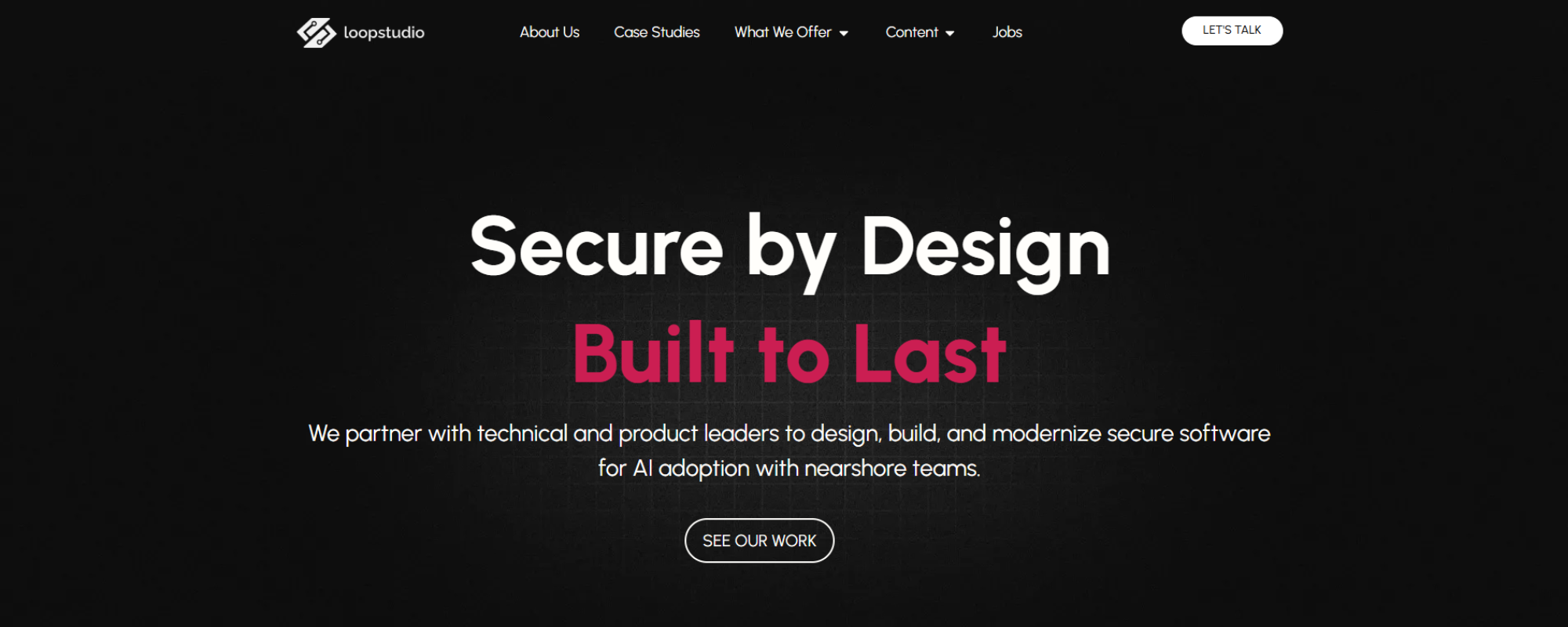
LoopStudio stands out as the best option in this case study for companies that need to modernize legacy software with a careful, product-focused approach.
Its legacy modernization service focuses on migrating aging monolithic systems into more modern, cloud-native architectures without interrupting active business operations. The company presents modernization as a strategic migration process, rather than a risky “rip and replace” approach.
That distinction matters because many legacy platforms still contain valuable business rules. A rushed rewrite can create bugs, data loss, missed functionality, or delays that affect the business. A phased approach can help reduce risk while still improving the product.
Its modernization roadmap includes:
- Separating value-driving parts of the system from the outdated monolith
- Migrating logic into scalable and secure environments
- Preparing systems for clean APIs, structured data layers, analytics, and AI integrations
- Keeping the current system running while the new version is built
- Preserving and documenting critical business logic
In some cases, modernization may also involve rebuilding specific modules first, especially when the goal is to build a cleaner version of the product without replacing the entire system at once.
For businesses that want modernization without losing product context, this makes it a strong fit. Its approach combines engineering, product strategy, security, business continuity, and long-term scalability, which are all important when updating older systems.
2. 10Pearls
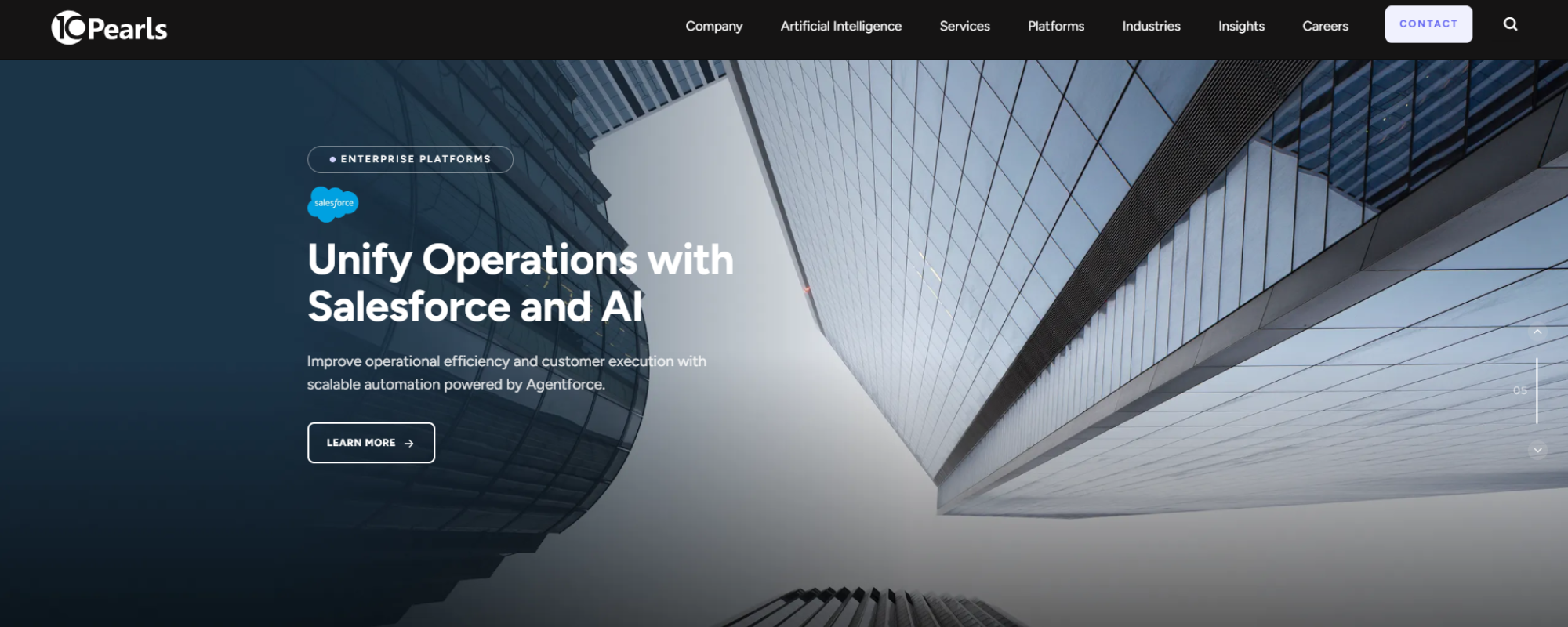
10Pearls is a strong alternative for organizations that need a broader modernization partner with enterprise application experience.
Its modernization services cover areas such as legacy application assessment, rehosting, refactoring, rearchitecting, rebuilding, cloud migration, API integration, DevOps support, and system optimization.
This can be useful for organizations with older platforms that need to reduce technical debt, improve performance, and move toward a more flexible architecture.
It may be a practical choice for companies that need:
- Legacy application modernization
- Cloud migration support
- Application refactoring
- API and system integration
- DevOps and automation
- Enterprise application development
- Support for complex internal systems
For businesses comparing modernization partners, this option can work well when the priority is enterprise delivery, cloud readiness, and structured technical transformation.
Final Thoughts
When asking “Which development companies help modernize legacy software?”, the answer should depend on more than technical capability.
The right partner should understand risk, continuity, and long-term value, while knowing what needs to change, what needs to be preserved, and how to modernize without breaking the systems that still support the business.
Before making a decision, companies should review the partner’s approach to business logic, phased migration, cloud readiness, security, documentation, and long-term maintainability.
Need help comparing companies that modernize legacy systems? Check out our blog for more.