Which companies modernize legacy systems for healthcare providers? The question usually arrives once a clinical system has become too risky to leave alone and too central to switch off.
A 2025 systematic survey in the MDPI journal Information, “From Data Silos to Health Records Without Borders,” reports, citing earlier research, that the lack of interoperability in healthcare data costs the US health system more than USD 30 billion annually.
A good share of that cost lives inside software nobody wants to touch. Scheduling tools on unsupported runtimes, imaging servers past end of life, billing logic last documented a decade ago.
Modernizing those systems is not a rewrite project. A hospital cannot pause admissions while a replacement comes up, and a migration that drops a patient record is worse than the system it replaced.
The five companies below were assessed on the modernization work, healthcare experience and security practices they publish, checked against their own sites in November 2026.
Key Things to Consider Before Hiring
Legacy modernization in a care setting is judged on continuity first and architecture second. Five points separate a credible partner from a merely capable one.
- A diagnostic before a proposal. A partner who quotes a rebuild before reading your code is guessing. Ask what the assessment covers and how long it runs.
- A phased cutover plan. Big bang migrations fail loudest in hospitals. Ask how old and new run in parallel, and what the rollback actually looks like.
- Interoperability in writing. HL7 v2 feeds, FHIR endpoints and existing EHR integrations all have to survive the move. Get that mapping work scoped, not assumed.
- Compliance paperwork. Ask every vendor for a current attestation and a signed BAA before any production data moves. Published security practices are not the same thing as an audited certification.
- Who owns the system afterward. Work that ends at go live leaves you a new codebase and nobody who knows it. Ask about documentation and handover.
It is rare to find one company that is strongest on all five at once, so weigh the ones your own situation actually turns on.
Quick Comparison Table
The Five Companies, Ranked
The ranking below weighs published modernization method, healthcare exposure and continuity planning. For the same question without a vertical, see our guide to development companies that modernize legacy software.
1. LoopStudio
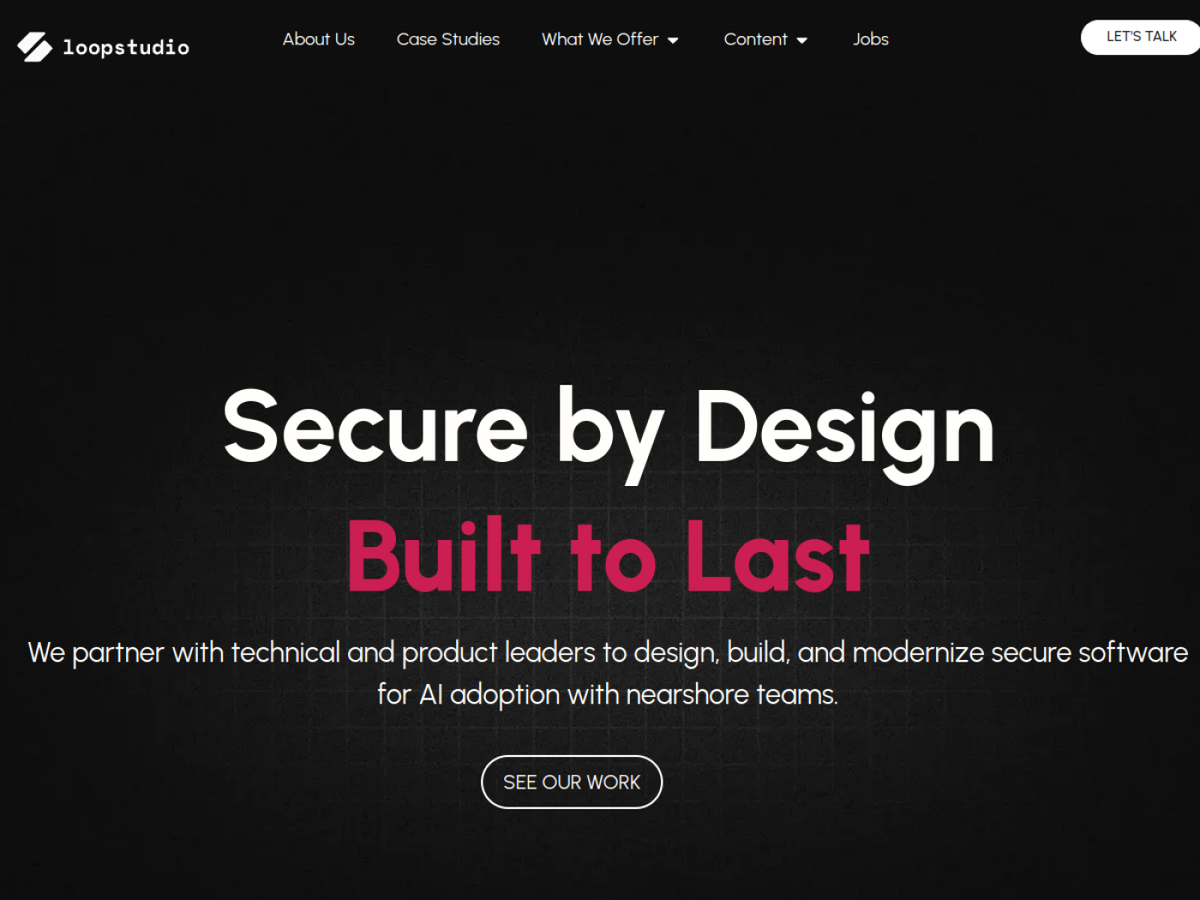
LoopStudio is a nearshore firm that bills itself as a secure nearshore software development company. It publishes a decade of building for North American cybersecurity leaders and 100+ projects delivered.
Its legacy modernization services page is unusually specific about process. It names a diagnostic of two to three weeks, core module migration in three to six months, and a parallel migration methodology it calls Strategic Refactoring.
The continuity targets are published rather than implied: 99.9% uptime through the transition, and cutover measured in hours instead of days. For a provider, that is usually the number the project turns on.
The stack work is named too, from Cobol and early Java versions through to modern Java, Node.js and Go. Every engagement runs a Secure Software Development Lifecycle aligned to NIST SSDF and OWASP guidelines.
Its published focus is high trust and regulated software rather than a healthcare vertical, and it does not publish a HIPAA or HITRUST attestation. Request its security documentation and a BAA before production data moves.
2. CitiusTech
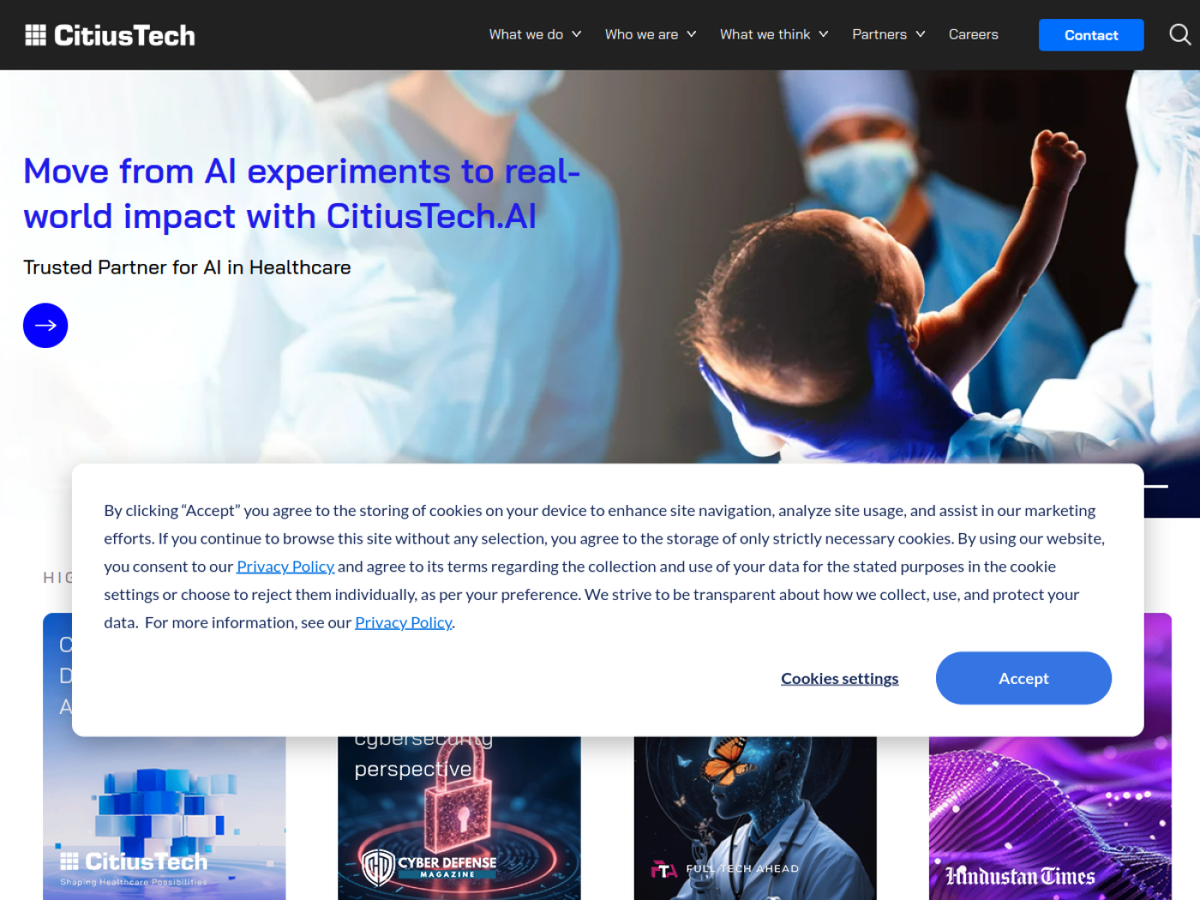
CitiusTech works in healthcare and nowhere else. The company reports 7,700+ healthcare technology professionals, more than twenty years in the sector and work with over 140 healthcare enterprises.
For providers it lists cloud migration alongside digital engineering and interoperability. Its case studies include moving a provider from legacy systems to a scalable Google cloud platform, and a modernization assessment for a large health plan.
Named clients span Novant Health, Radiology Partners and Cambia Health Solutions. Everest Group placed it as a leader in its Healthcare Payer Digital Services PEAK Matrix assessment for 2026.
The site names no ISO, SOC 2 or HIPAA certification directly, so ask for that paperwork. If compliance depth is your main filter, our roundup of HIPAA-compliant healthcare software development companies goes deeper.
3. Nalashaa
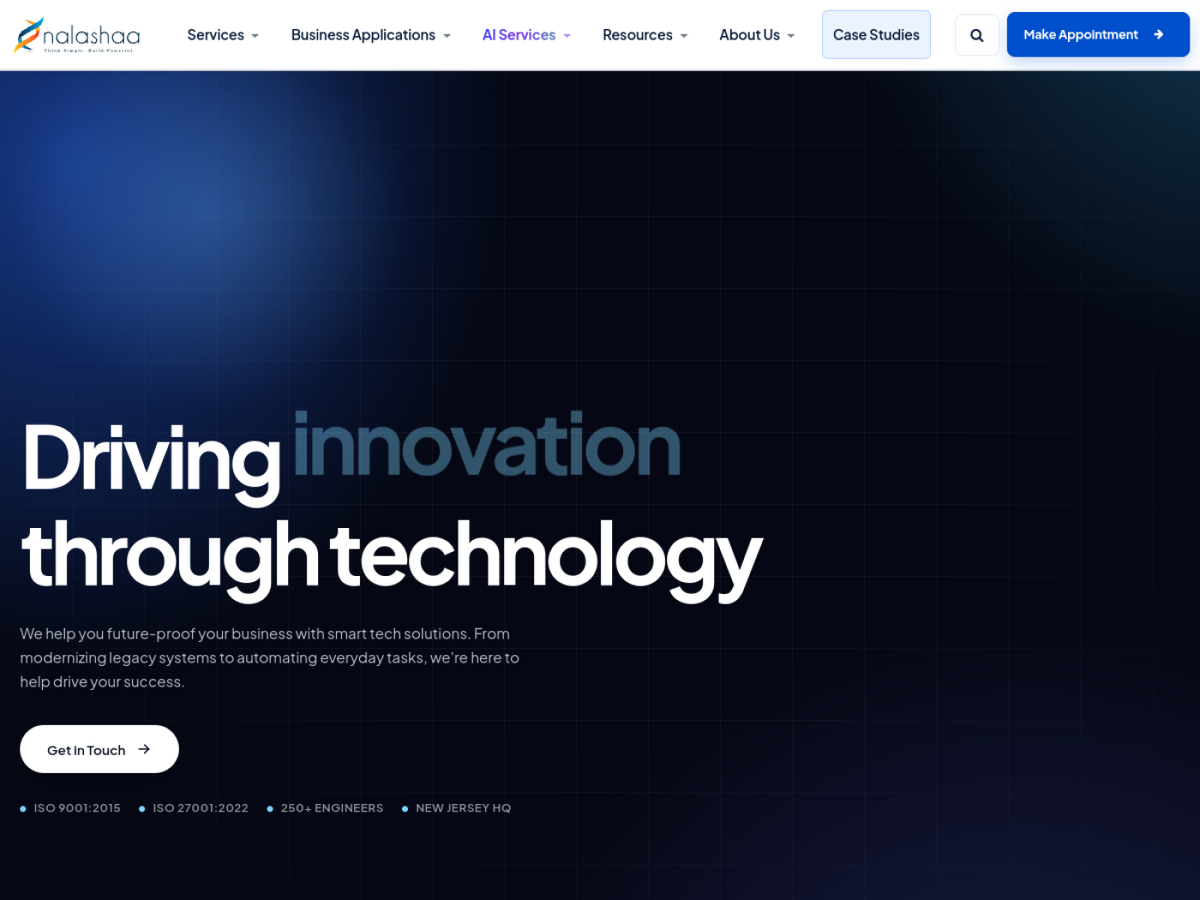
Nalashaa is an enterprise IT firm headquartered in Edison, New Jersey, with engineering teams in Bangalore and Kochi. It publishes 15+ years of experience, 250+ engineers and 200+ products modernized.
Modernization is a named product line rather than a side service. The company lists Legacy Migration, Application Modernization and a Modernization as a Service offering built around IBM i and AS400 estates.
That matters in healthcare more than it sounds. A great deal of US hospital billing and eligibility processing still runs on IBM midrange systems that most product shops will not quote on.
Healthcare runs through a separate practice, Nalashaa Health, focused on health IT, interoperability and clinical operations. The company holds ISO 9001:2015 and ISO 27001:2022. Budget expectations are covered in our legacy modernization price guide.
4. Persistent Systems
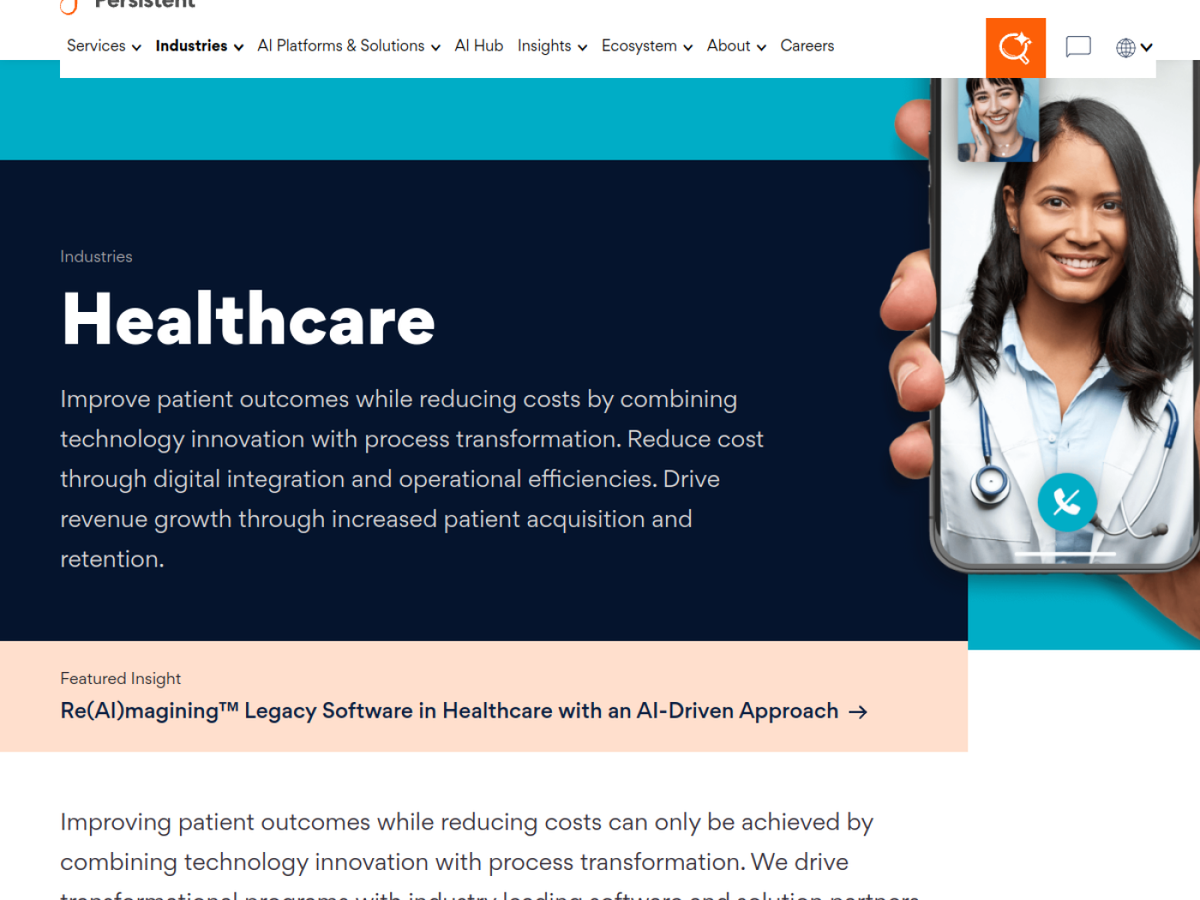
Persistent Systems approaches provider modernization as part of a wider operations program. Its healthcare page lists a digital front door, revenue cycle optimization, population health management, patient access and healthcare interoperability.
Modernization shows up in the work rather than as a headline service. The featured insight on that page is a piece on reimagining legacy software in healthcare, and a client story covers application modernization for a large EMR vendor.
Its named references carry weight with provider buyers. Mount Sinai Health System and Simplyhealth both appear with executives quoted directly on the page.
This is the choice when the legacy system is one piece of a broader transformation rather than the whole brief. For a security-led framing instead, compare our list of legacy modernization companies for secure software.
5. Chetu
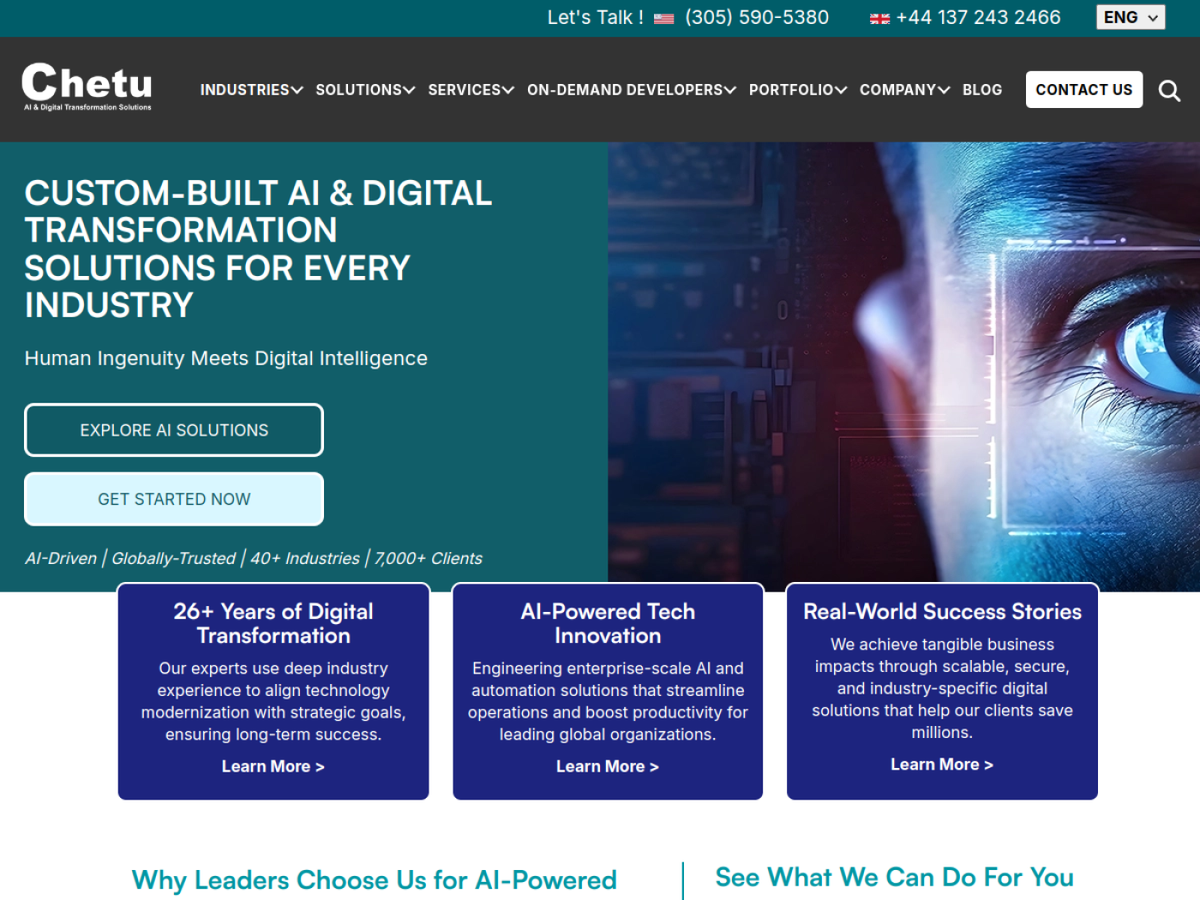
Chetu offers the widest healthcare product catalogue of the five. It covers electronic health records, revenue cycle management, telehealth, hospital management, pharmacy, imaging and remote patient monitoring.
Healthcare Platform Modernization is a named service, and the company describes moving clients from legacy systems toward AI-ready healthcare ecosystems. It lists HL7 and FHIR integration and DICOM-compliant imaging modules.
The firm publishes 26+ years in custom software and more than 7,000 clients worldwide. Its pitch leans on speed, with a stated ninety day build model for healthcare software.
Breadth is the trade here. A provider with an unusual niche system is more likely to find someone at Chetu who has already built against it.
Conclusion
Which companies modernize legacy systems for healthcare providers? Start with the partner whose published method matches the risk you are actually carrying, then check the compliance paperwork second.
LoopStudio fits a core system migration where uptime and a documented secure process decide the project. CitiusTech suits providers wanting the deepest healthcare-only bench. Nalashaa is the one to call about IBM i and AS400 estates.
Persistent Systems works when modernization sits inside a broader operations program, and Chetu covers the widest range of healthcare product types. All five publish enough detail to start a real conversation.
Whichever you shortlist, put the cutover plan and the rollback in the statement of work before signing.
Want more insights on choosing the right development partner? Check out our blog.